Tutorial
🌱
Best for Preschematic stage · Ages 3–5
What's this?

How to Draw a Simple Cat Step by Step – Free Printable PDF for Kids

Learning how to draw a simple cat step by step is a fun and easy activity for kids and beginners. This tutorial uses clear lines and simple shapes to help you draw a cute cartoon cat from start to finish.

You do not need any special skills. Just grab a pencil, some paper, and follow each step carefully.

By the end, you will have a cute cat drawing that you can colour however you like.

Which cat is this?

This is the absolute-beginner cat — only basic shapes and curves, the easiest of all our cat tutorials.

For a kawaii big-eyed version, see Cute Cat.

For a longer-fur version, try Fluffy Cat.

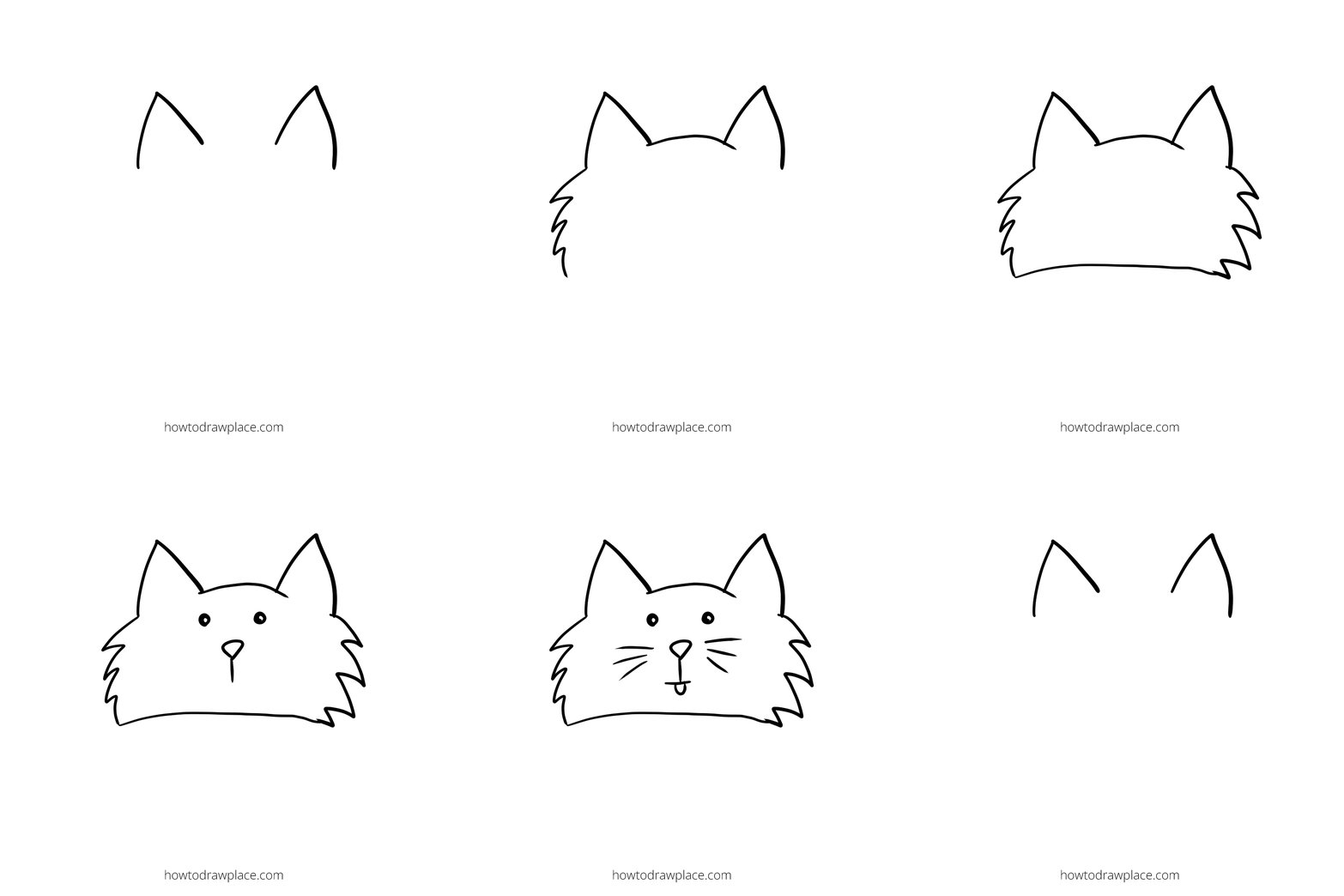
Just the portrait? Cat Face.

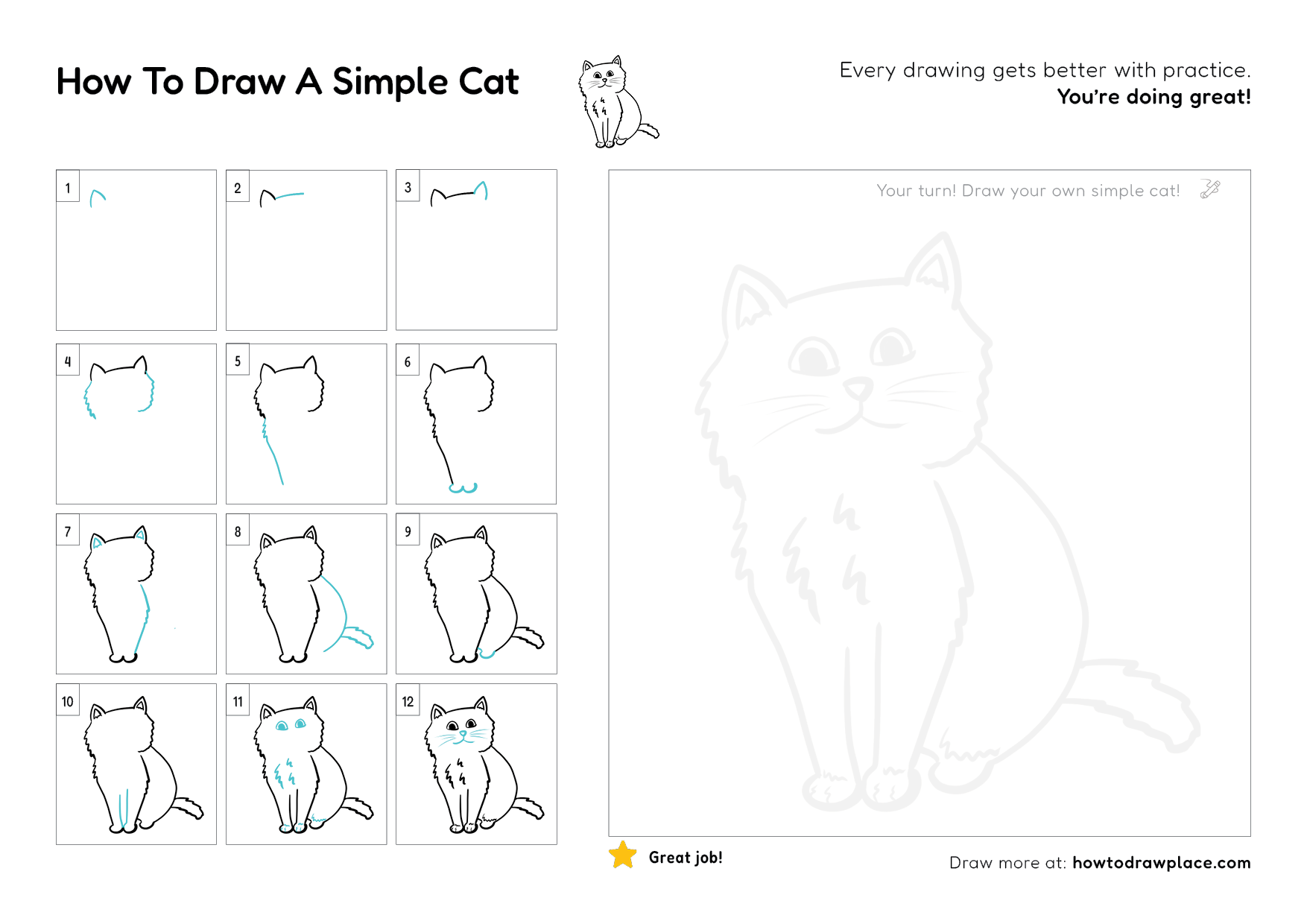
Grab a pencil and paper and follow each step. The cyan lines show you exactly what to draw at each stage.

Drawing Tips
1 Always start with light pencil lines so you can erase and adjust easily
2 Take your time — there is no rush and slow lines are neater than fast ones
3 The fluffy edges are meant to look a little wobbly — do not worry about making them perfect
4 Once you are happy with your outline, go over it with a darker line or a black marker
5 Colour your cat in any colours you like — try orange, grey, black, or even a fantasy colour
Preview of free Cats drawing printable worksheet

Free printable worksheet — print at home or in the classroom

Download Free Cat Drawing Printable (PDF)

How to Draw a Simple Cat Step by Step – Free Printable PDF for Kids

What You Need

PencilEraserPaperColouring pencils or markers

You do not need anything fancy — a regular pencil and a piece of printer paper works perfectly.

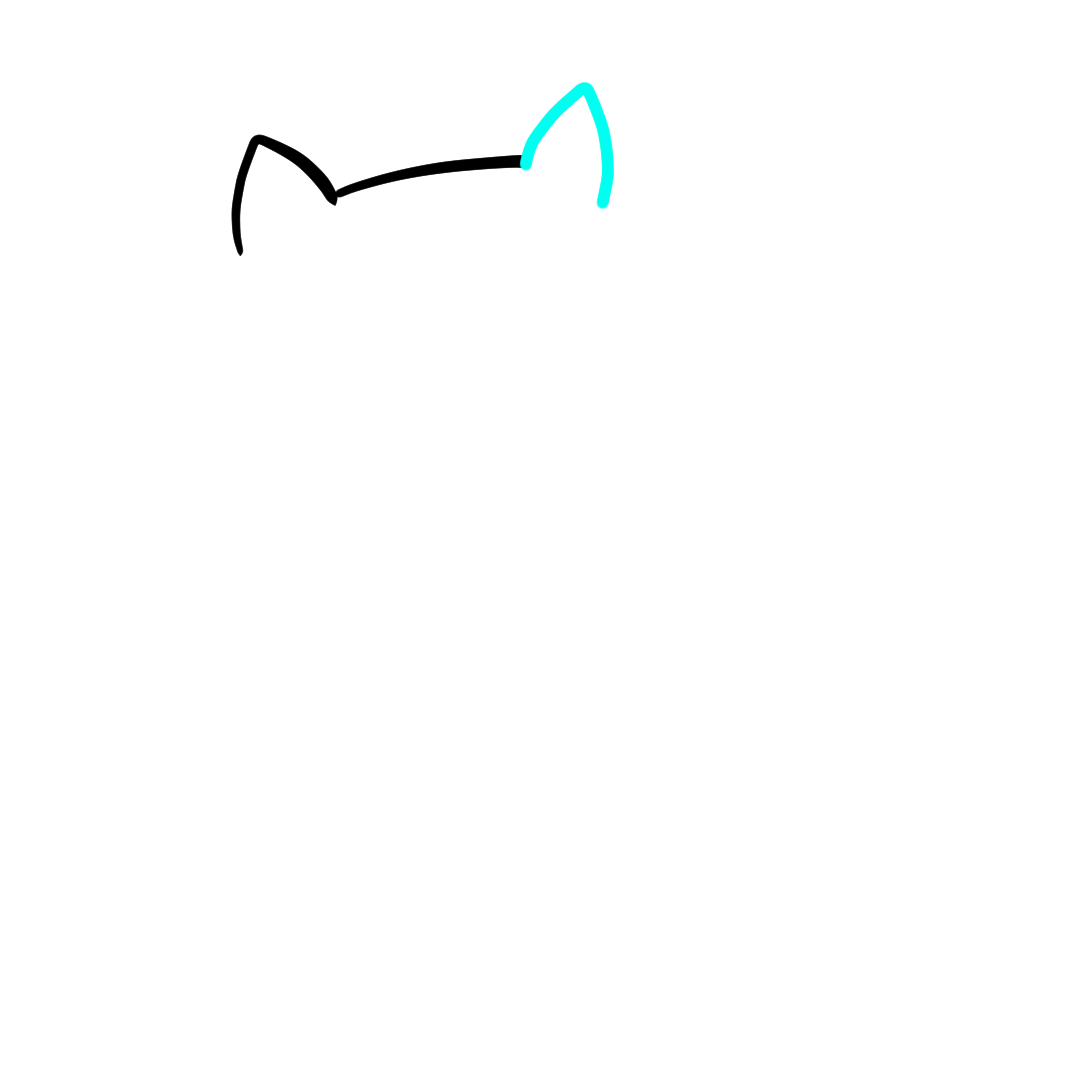
Step 1 of drawing a simple cat showing the first ear
Step 1

Draw the first ear

Start by drawing a curved triangle shape for one ear.

Tip: Start near the top of the page so there's room for the body. About a third from the top works well.
Step 2 of drawing a simple cat showing the top of the head
Step 2

Draw the head line

Add a curved line going across to begin the top of the head.

Step 3 of drawing a simple cat showing both ears
Step 3

Draw the second ear

Draw another triangle shape on the other side for the second ear.

Step 4 of drawing a simple cat showing fluffy cheeks
Step 4

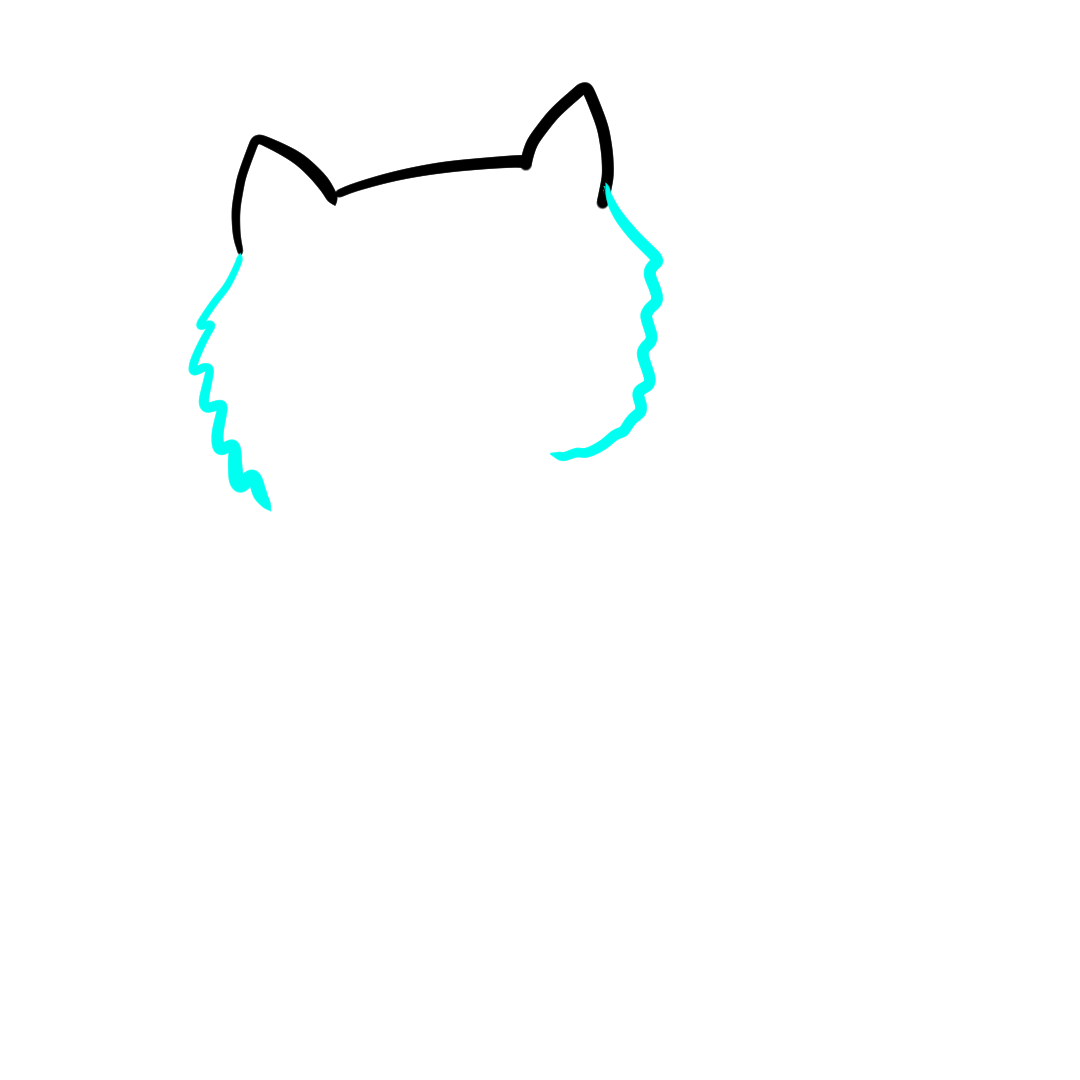
Draw the fluffy sides

Add zigzag lines down both sides to create fluffy cheeks.

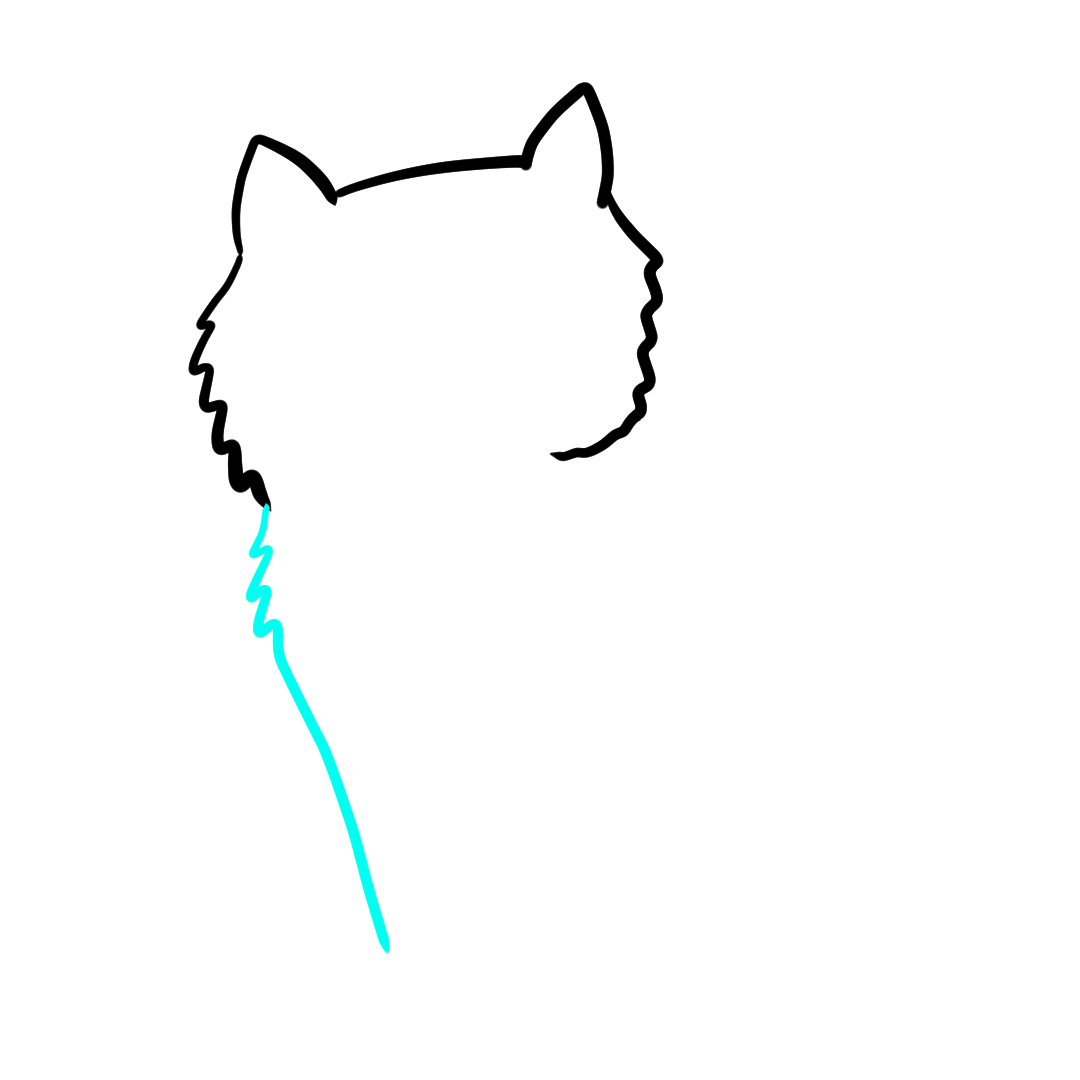
Step 5 of drawing a simple cat showing the body outline
Step 5

Draw the body

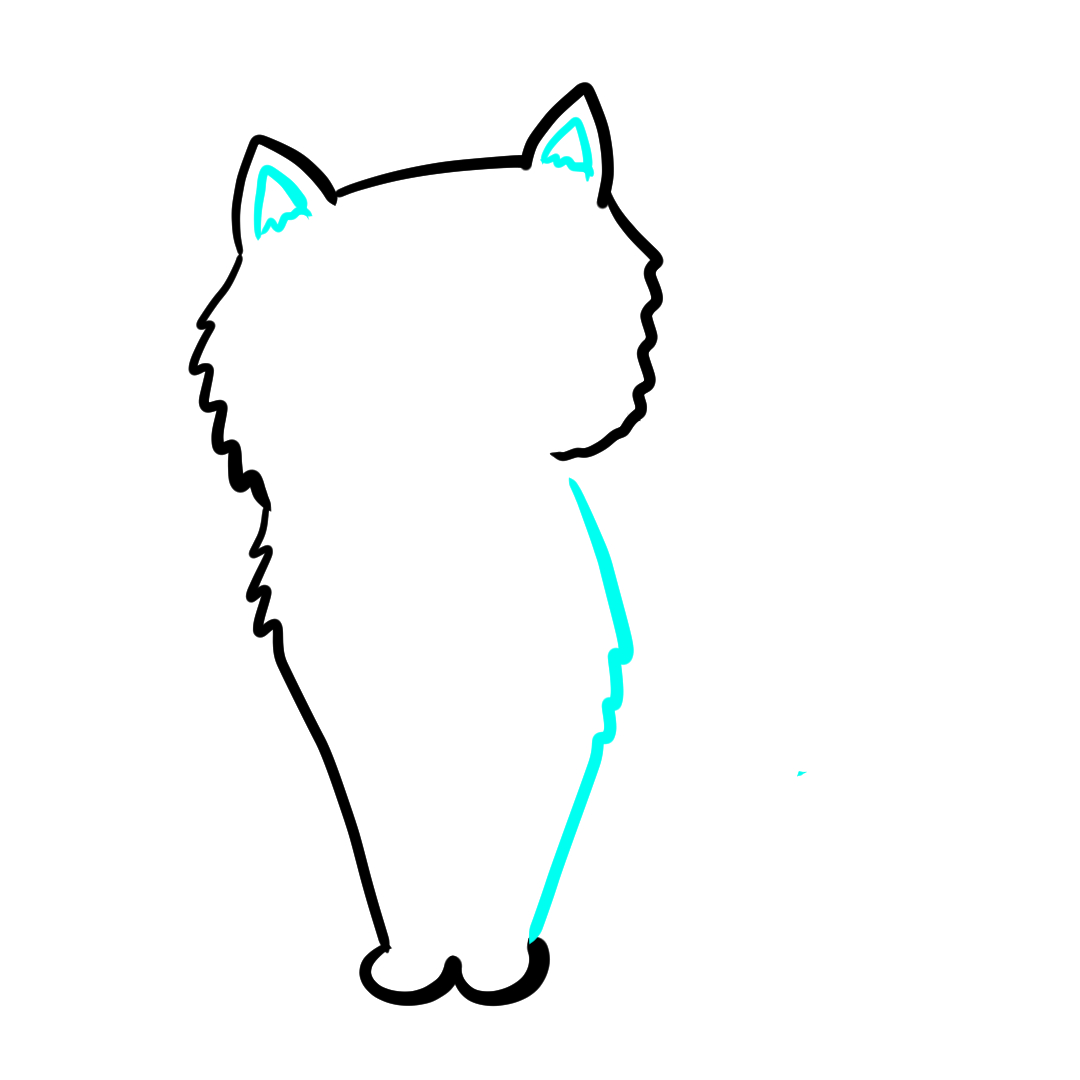
Draw a long curved line down for the body.

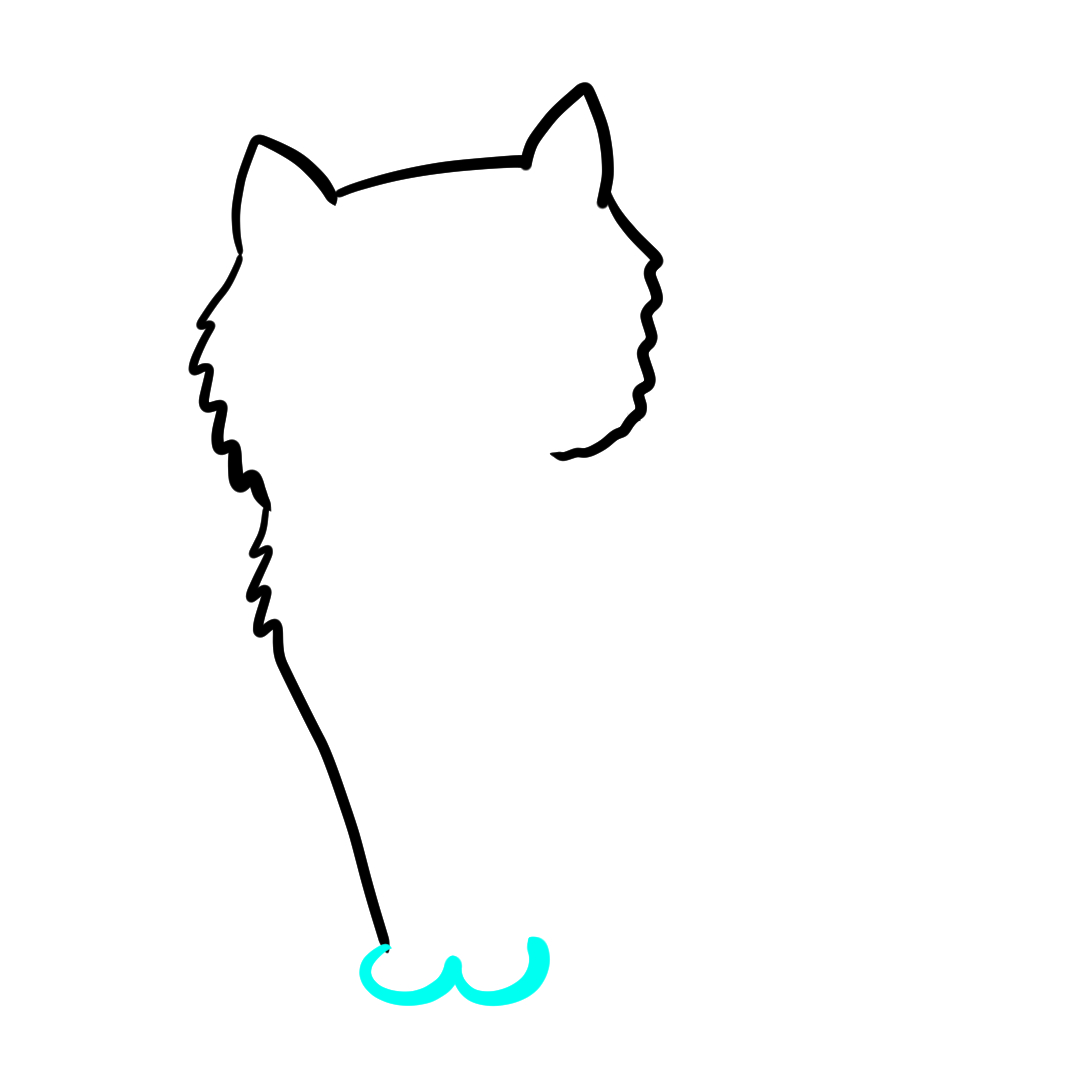
Step 6 of drawing a simple cat showing the paws
Step 6

Add the paws

Draw two small rounded shapes at the bottom for the front paws.

Step 7 of drawing a simple cat showing inner ears
Step 7

Draw inner ears

Add smaller shapes inside each ear for detail.

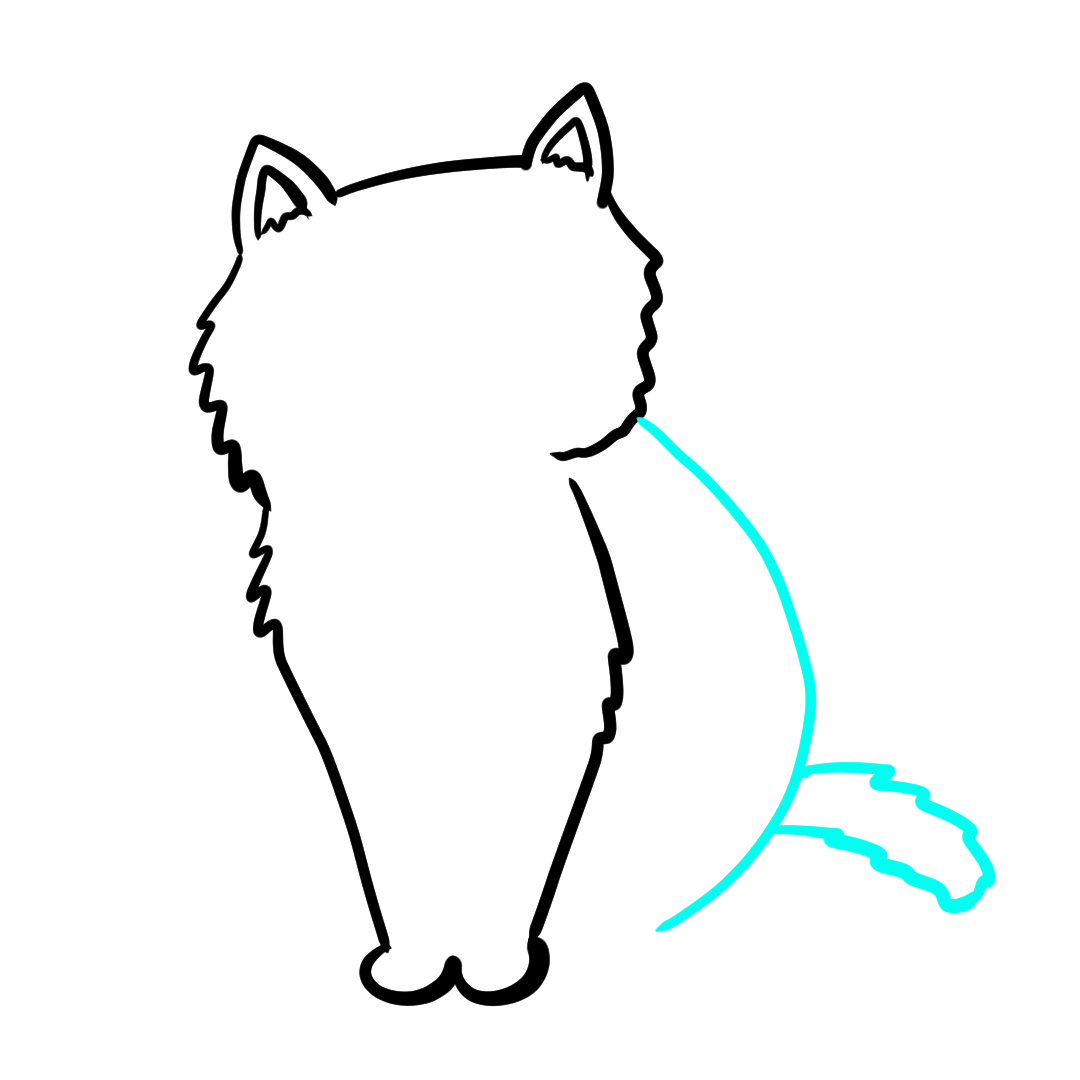
Step 8 of drawing a simple cat showing the tail
Step 8

Add the back and tail

Draw a curved line for the back and add a fluffy tail.

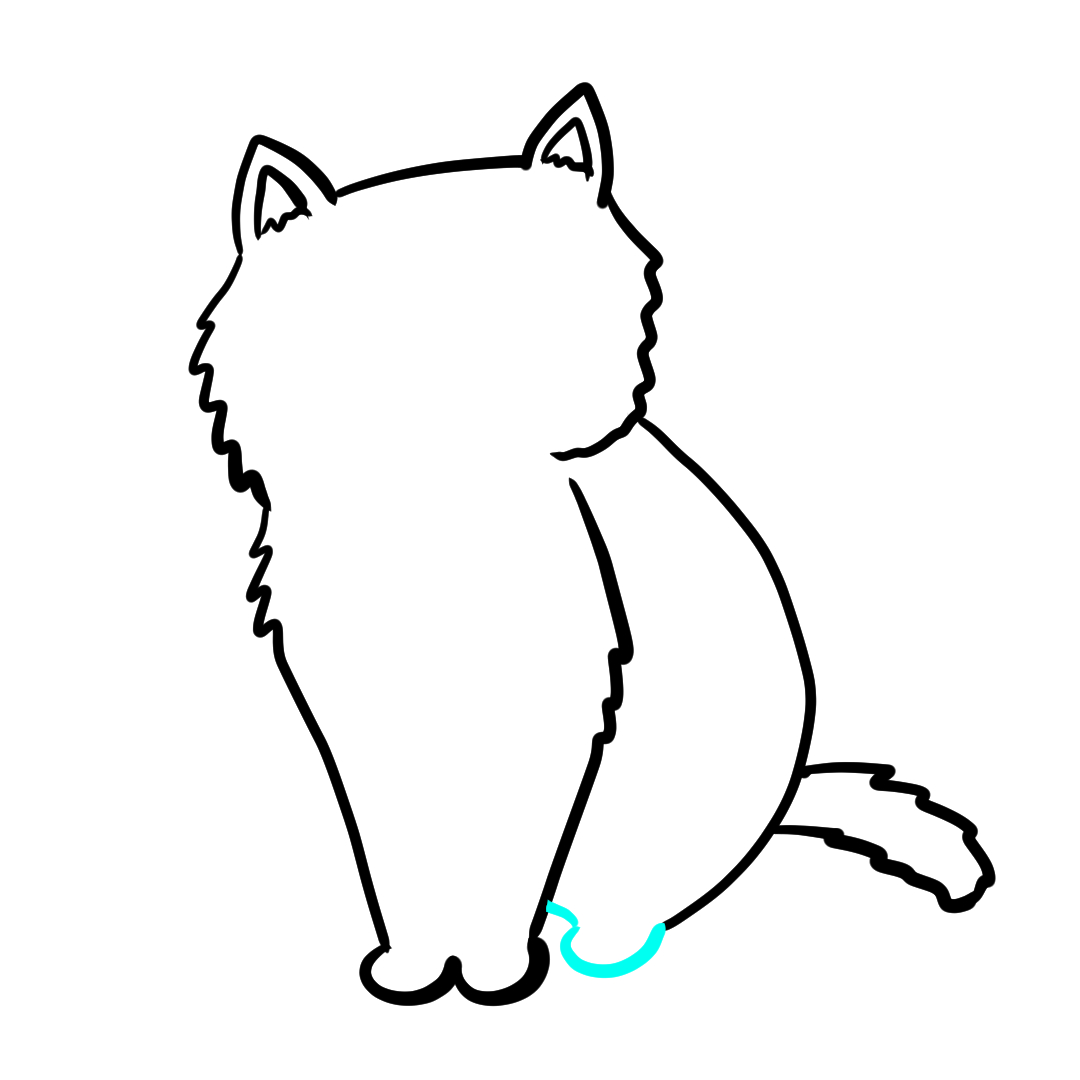
Step 9 of drawing a simple cat showing the back leg
Step 9

Draw the back leg

Add a small curved shape for the back leg.

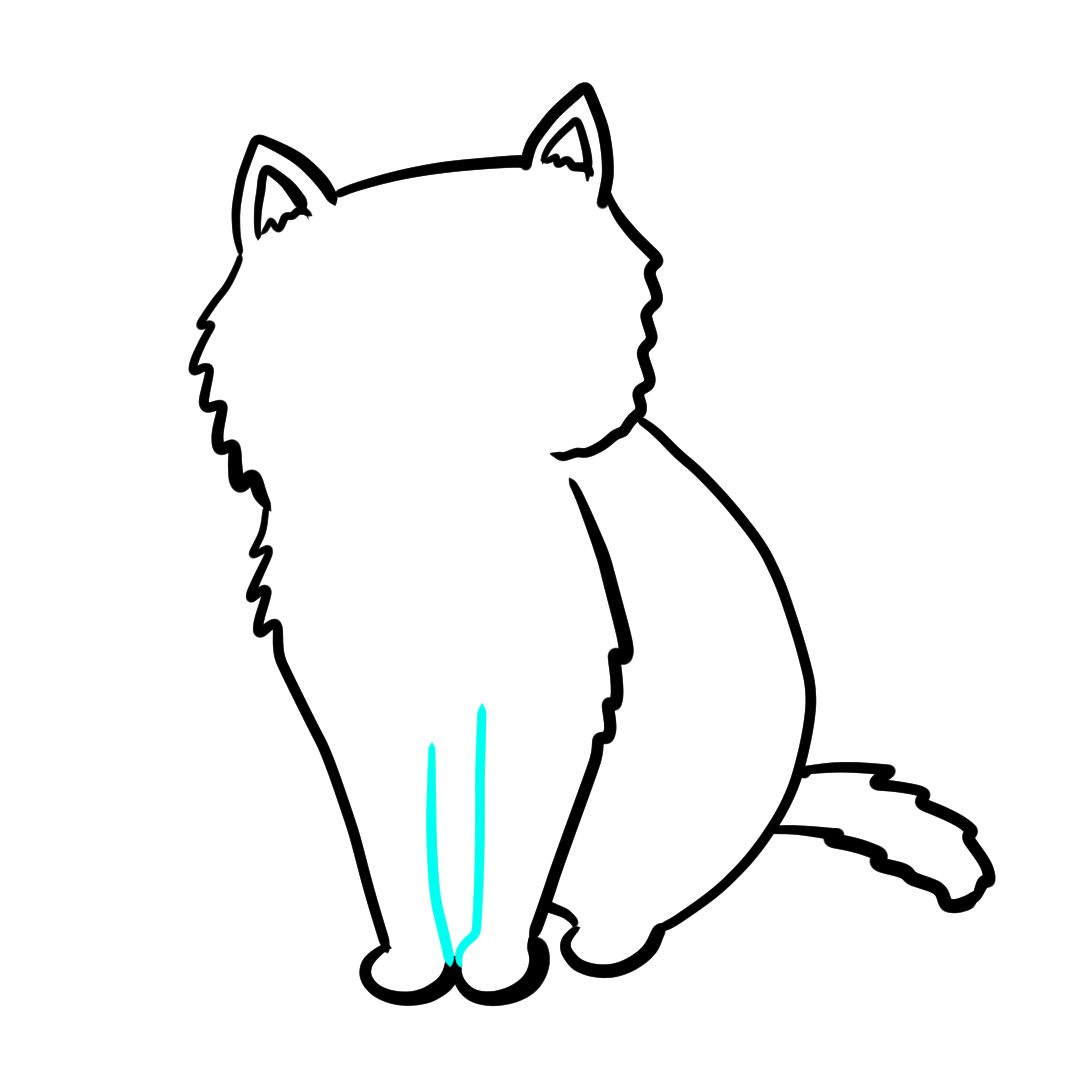
Step 10 of drawing a simple cat showing body details
Step 10

Add body details

Draw simple lines on the body for shape and fur detail.

Step 11 of drawing a simple cat showing the eyes
Step 11

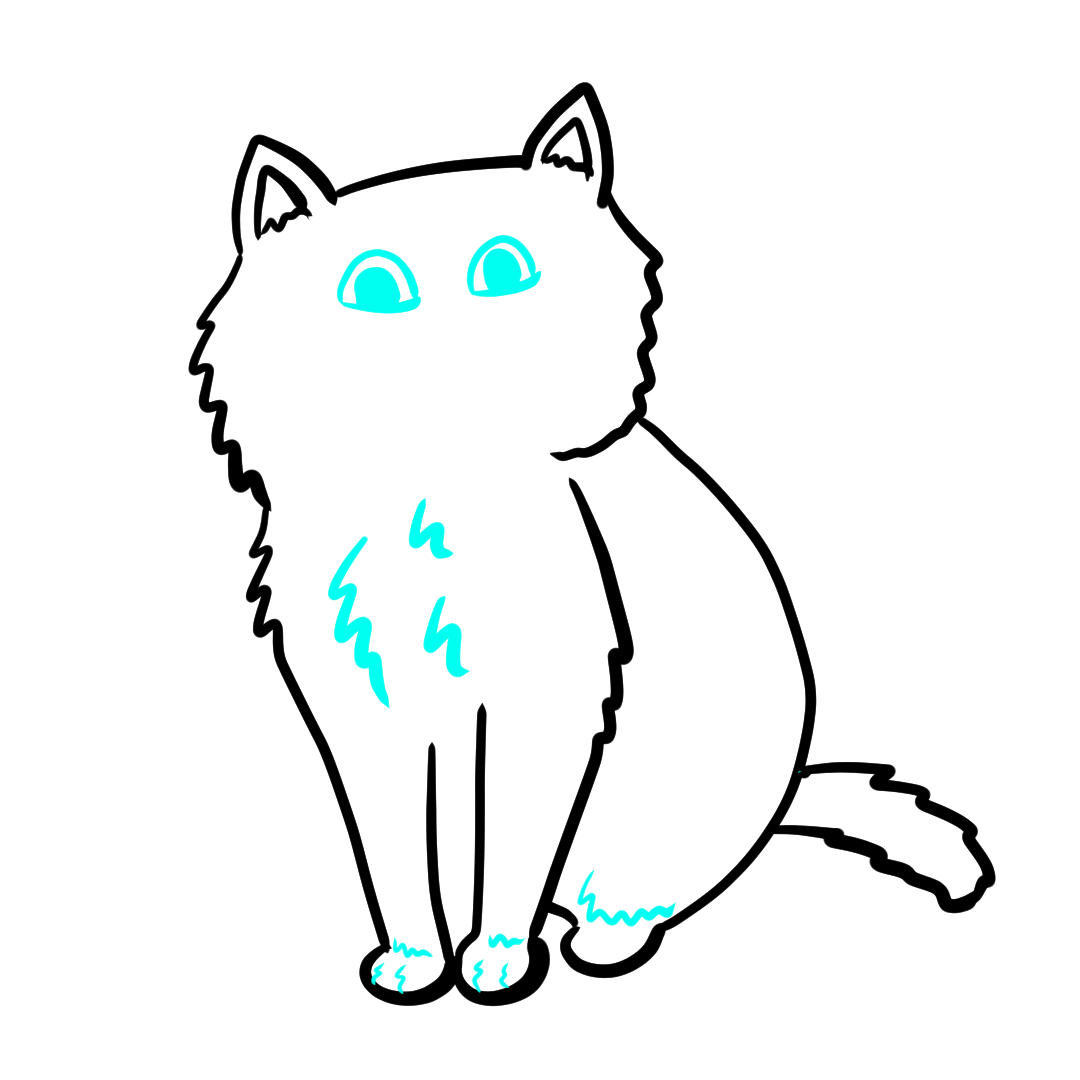
Draw the eyes and fur

Add two large eyes and a few small fur lines.

Step 12 of drawing a simple cat showing the finished drawing
Step 12

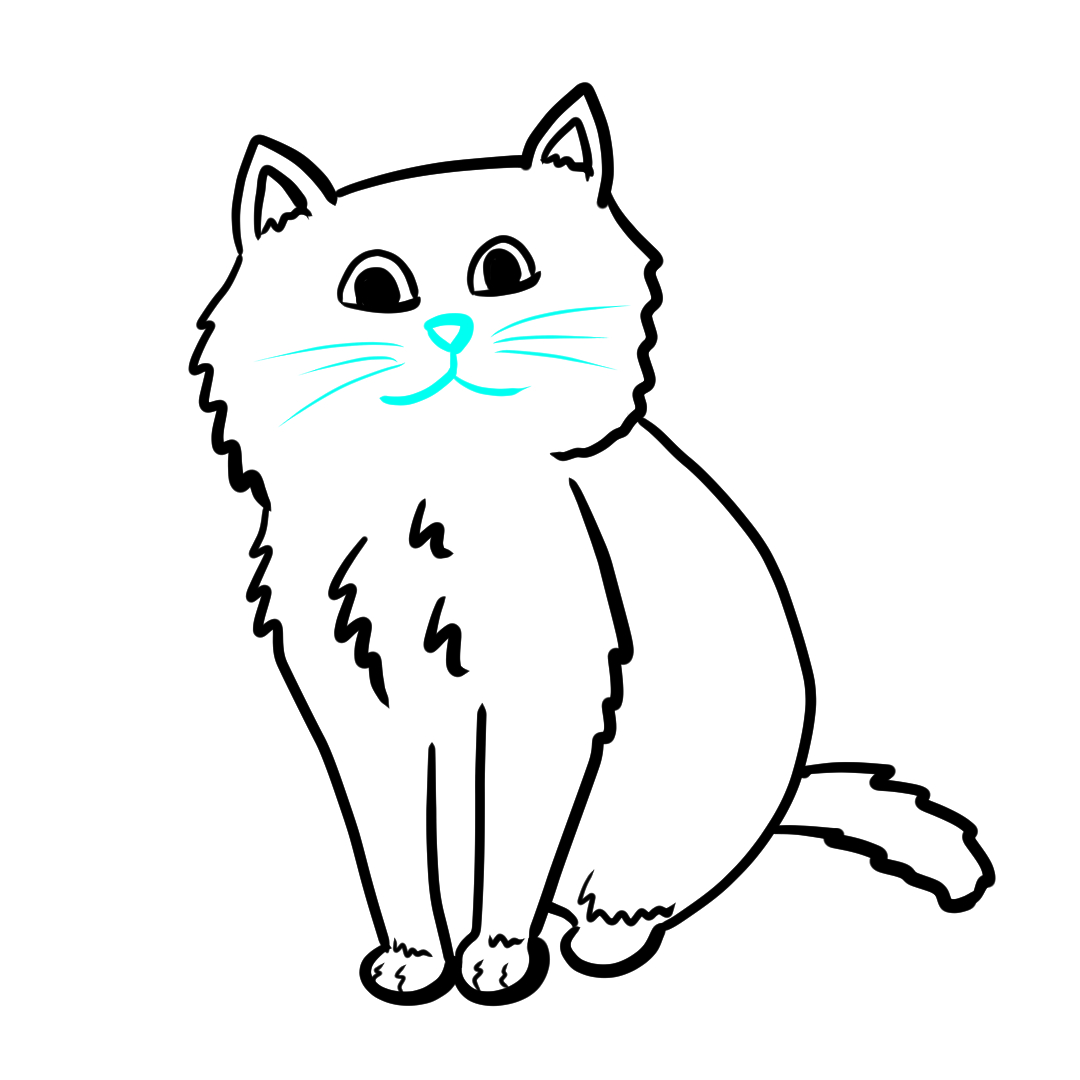
Add the face

Draw a small nose, smile, and whiskers to finish your cat.

Tip: Whiskers don't have to be perfectly straight — wobbly lines look more natural and are easier for little hands to draw.

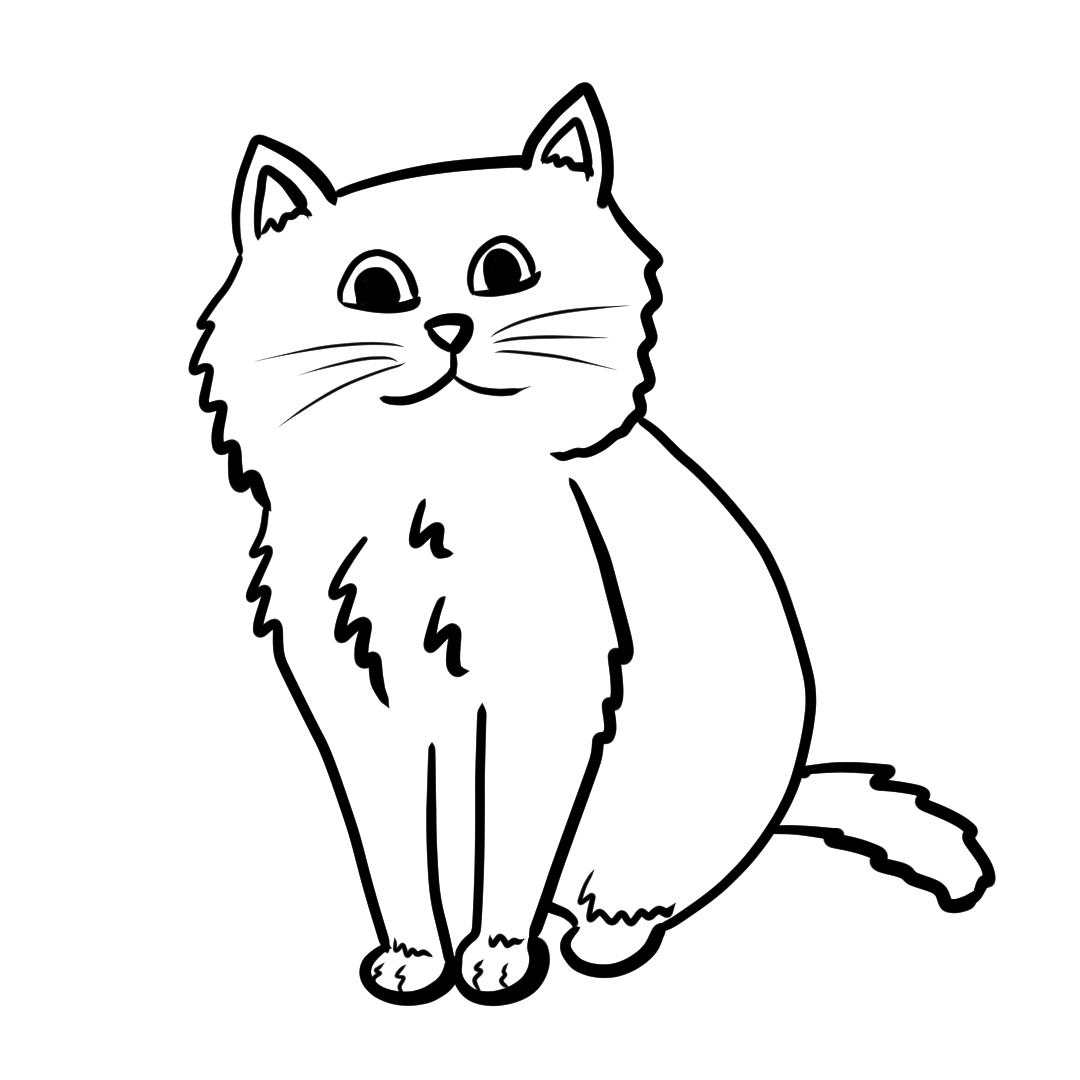
Amazing work — you have drawn a simple cat! Your finished cat has fluffy cheeks, pointy ears, a little nose, and a curly tail.

Keep practising and try drawing more animals!

Try drawing a friend for your cat

Now you've drawn one cat, try drawing a second one next to it — maybe smaller (a kitten!), or facing the other way. Or change the colour pattern: stripes, spots, or one orange ear. Small changes make every drawing different.

Fun Facts About Cats

Cats sleep for around 12 to 16 hours a day.
A cat's whiskers help it sense space and movement.
Cats can jump up to six times their body length.

Frequently Asked Questions

What age is this simple cat tutorial best for?

Ages 3 to 5 mostly. The shapes are simple enough for the preschematic stage when children are first connecting shapes to recognisable objects. Older children should try the Cute Cat or Fluffy Cat tutorials instead.

My toddler can't manage all the steps — what can I do?

Stop wherever they get tired. Even just the head and ears (steps 1–4) is a complete cat drawing for a young child. The remaining steps can be done another day or skipped entirely.

Should I draw alongside my child?

Yes, this works really well for younger children. Draw on your own paper, in your own style — don't take over theirs. Children copy what they see in your version and what they invent in their own.

Can I print this cat drawing tutorial?

Yes — there is a free printable PDF version of this tutorial available to download on this page. It is perfect for printing at home, in the classroom, or for art club sessions.

What should I draw after the simple cat?

Try the cat face or bunny face tutorials. They're at a similar difficulty level and good practice for the same age range.

For parents and teachers

Children at the preschematic stage (3–5) draw very differently from older kids. Our research-backed guide explains what's normal at each age.

Read the developmental guide
Draw some more!